
Breeds at Risk for Heart Failure due to MMVD and DCM
Different kinds of heart failure impact different breeds, so learn more about the risks for your dog. This is not a complete list of at-risk breeds.


Breeds at Risk for Heart Failure due to myxomatous mitral valve disease (MMVD)
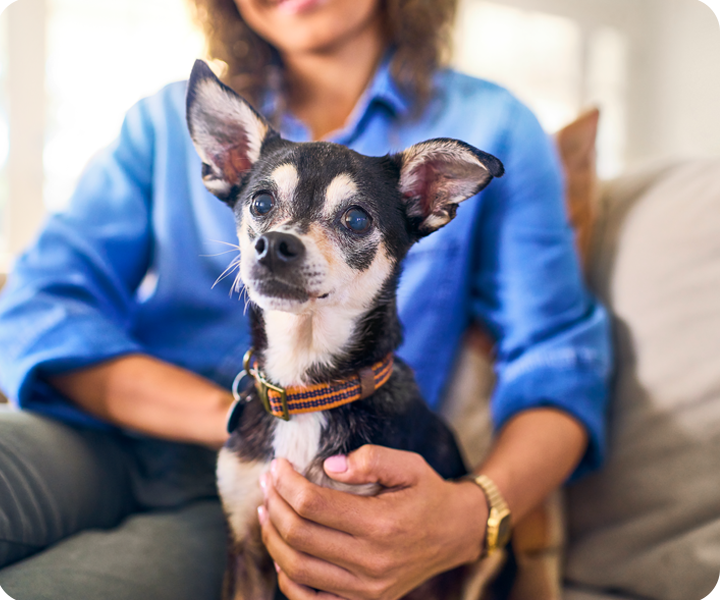
These dog breeds have a high risk of developing congestive heart failure due to MMVD. If you own one of these breeds of dogs, it’s important to talk to your vet about early screening. Additionally, any mixed breed dog or dogs under 40 lbs are at a higher risk for MMVD.
Common at-risk breeds for MMVD:
- Boston Terrier
- Cavalier King Charles Spaniel
- Chihuahua
- Dachshund
- Fox Terrier
- Miniature and Toy Poodles
- Miniature Pinscher
- Miniature Schnauzer
- Pekingese
- Pomeranian
- Whippet
Breeds at Risk for Heart Failure due to dilated cardiomyopathy (DCM)
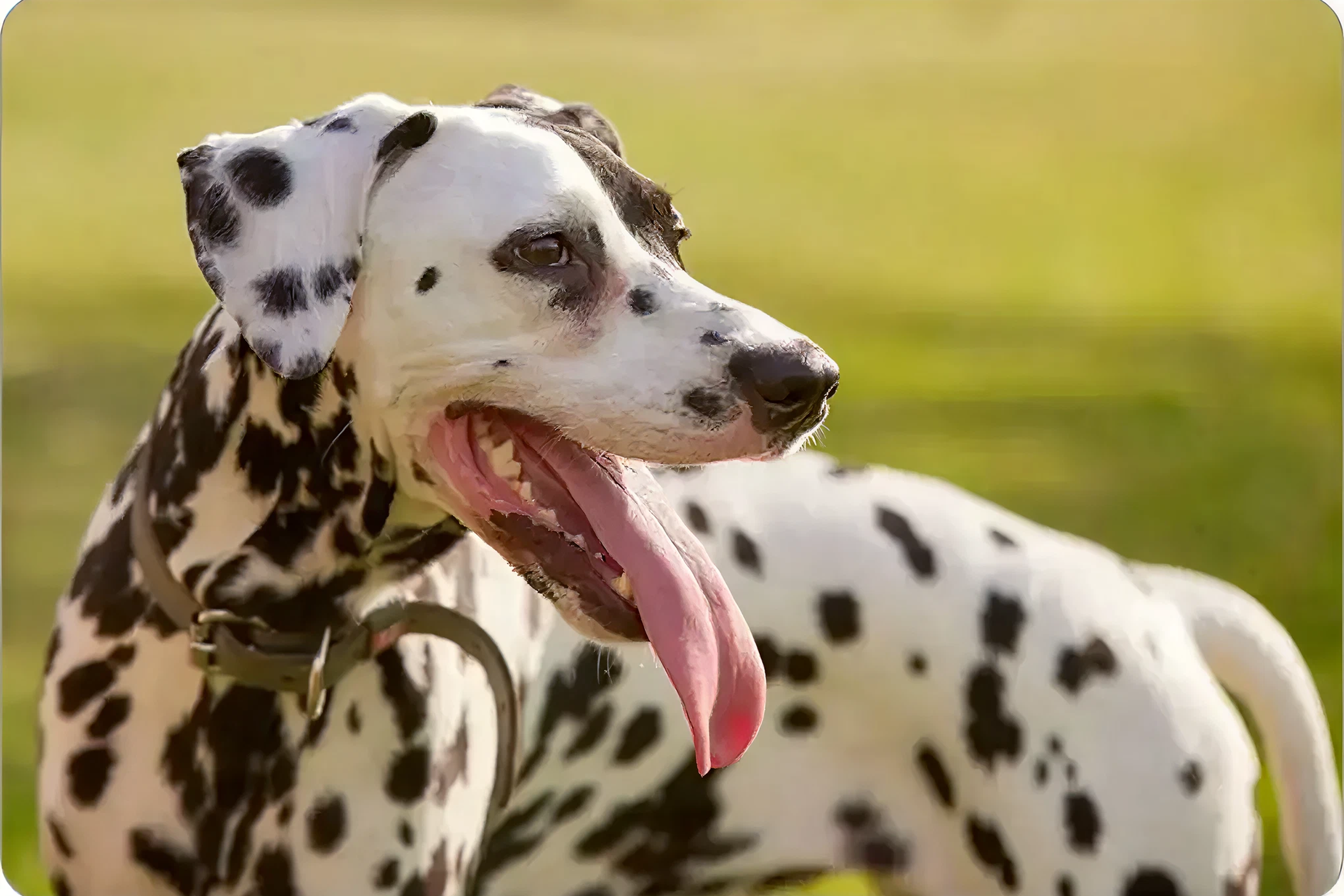
If you own one of these breeds of dogs, it’s important to know that they have an increased risk of developing congestive heart failure due to DCM. Be sure to talk to your vet and ask if you need to consider proactive screening.
Common at-risk breeds for DCM:
- Afghan Hound
- American Cocker Spaniel
- Boxer
- Dalmatian
- Doberman Pinscher
- English Cocker Spaniel
- Great Dane
- Newfoundland
- St. Bernard
Monitor Heart Health
With My Pet’s
Heart2Heart App
Monitoring your dog's resting respiratory rate (RRR) can reliably predict if
your dog will go into heart failure and identify heart disease progression.
Download the My Pet's Heart2Heart app to make it easy to monitor your
dog's RRR at home. The app will regularly email results to your vet to ensure
your dog receives care as soon as it's needed. Follow up for a consultation
with your vet if you have any concerns.


The Role of Your Vet
If you notice possible signs of congestive heart failure in your dog, contact your vet to schedule an appointment. They can assess your dog, conduct the necessary diagnostics, and help create a treatment plan if necessary. With proper treatment, many dogs diagnosed with congestive heart failure go on to enjoy an improved quality of life.
Important Safety Information
VETMEDIN® (pimobendan) Chewable Tablets and VETMEDIN® Solution (pimobendan oral solution) are for use only in dogs with clinical evidence of heart failure. The most common side effects reported in field studies were poor appetite, lethargy, diarrhea, dyspnea, azotemia, weakness, and ataxia. VETMEDIN® should not be given in case of hypertrophic cardiomyopathy, aortic stenosis, or any other clinical condition where an augmentation of cardiac output is inappropriate for functional or anatomical reasons.
For more information, please see full prescribing information for Solution or full prescribing information for Chewable Tablets.
VETMEDIN®-CA1 (pimobendan) are for use only in dogs with preclinical MMVD that have a moderate or loud mitral murmur due to mitral regurgitation and cardiomegaly (Stage B2 MMVD, 2019 ACVIM Consensus Statement1). VETMEDIN®-CA1 is conditionally approved by FDA pending a full demonstration of effectiveness under application number 141-556. A diagnosis of MMVD should be made by means of a comprehensive physical and cardiac examination, which should include radiography and echocardiography. The most common side effects seen in dogs with Stage B2 MMVD while taking VETMEDIN®-CA1 Chewable Tablets are cough, vomiting, diarrhea, lethargy and localized pain (such as in the neck or legs). Adverse reactions not related to disease progression in dogs receiving VETMEDIN®-CA1 included diarrhea, vomiting, pain, lameness, arthritis, urinary tract infection, and seizure.
For more information, please refer to the package insert.