
Your Guide to Congestive Heart Failure in Dogs

Hearing that your dog has heart disease or congestive heart failure (CHF) can be a worrying time. Although CHF is a serious condition, with early diagnosis and treatment, dogs can live a happy life for many months, and even years. Read on to find out more.


What is Congestive
Heart Failure (CHF)?
CHF occurs when heart disease progresses to the point where the heart can’t pump blood effectively enough anymore. As a result, fluid builds up in the lungs and other parts of the body (this is called congestion).
In some dogs, heart disease will gradually get worse over time, to the point where heart failure eventually develops. Treating some dogs before heart failure develops will help them stay symptom-free for longer, enabling them to enjoy life to the fullest. Early diagnosis of heart disease and regular, proactive monitoring are therefore the keys to the best long-term outcomes.
In this article we’ll explore the causes of heart failure, the signs to look for, and how you can take proactive steps to keep your dog happy for as long as possible.

Causes of CHF
Heart disease is common, affecting around 1 out of every 10 dogs seen in veterinary clinics.1,2 There are several different types of heart disease that can cause heart failure, but approximately 9 out of 10 dogs with heart disease have 1 of just 2 diseases.3
The 2 most common causes of heart failure in dogs are:
- Heart valve disease
- Dilated cardiomyopathy
Heart Valve Disease
Heart Valve Disease
Heart valve disease is by far the most common cause of heart failure in dogs. Around 75% of all heart disease in dogs seen in practice is mitral valve disease (MVD).2,4,5 The mitral valve normally seals to stop blood flowing backward when the heart pumps. In MVD the valve slowly becomes misshapen over time, eventually becoming leaky. When the heart pumps, this leaky valve allows some blood to flow backward, so the heart has to work harder to be as effective.
Heart valve disease facts:
- Causes about 75% of heart disease in dogs seen in practice
- Affects middle-aged and older, small and medium breed dogs
- Causes a leaky heart valve
- First sign is a heart murmur
Myxomatous Mitral Valve Disease (MMVD)
MMVD is most common in small and medium breed dogs, especially as they get older. The first sign tends to be a heart murmur, normally picked up by a vet at a routine health check.
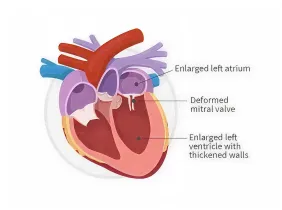
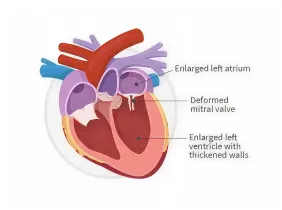
Dilated Cardiomyopathy (DCM)
Dilated Cardiomyopathy
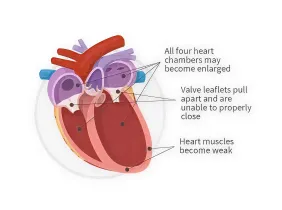
Dilated cardiomyopathy (DCM) is a heart condition that accounts for roughly 10% of acquired canine heart disease.6
With DCM, the heart muscles are weakened and cannot contract with as much force as normal. It can affect both sides of the heart, but typically it affects the left-sided chambers.
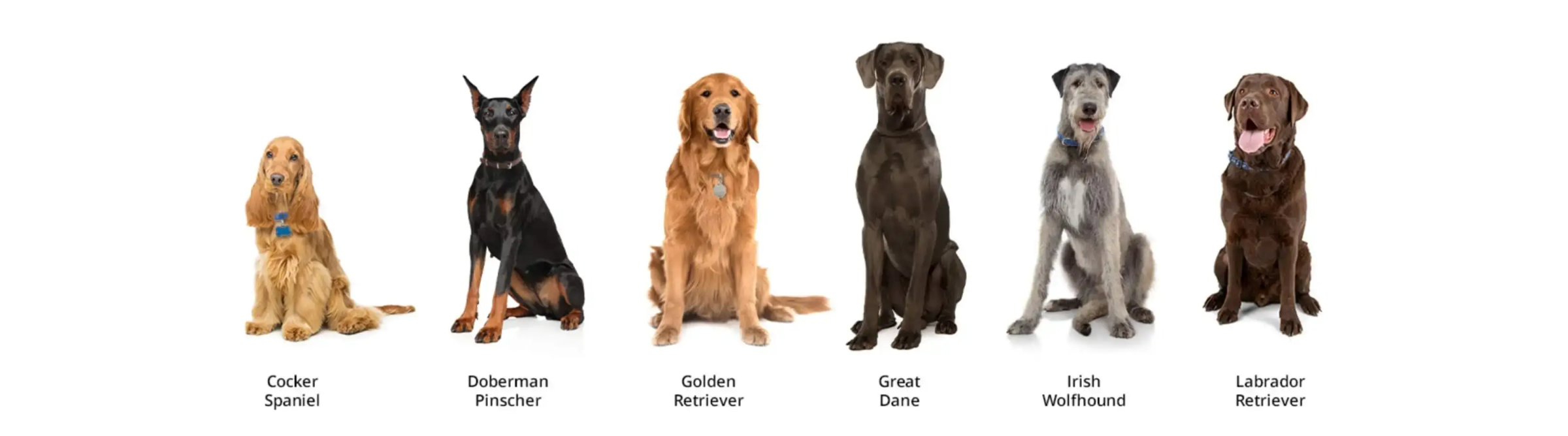
DCM most commonly affects large breeds and progresses rapidly.

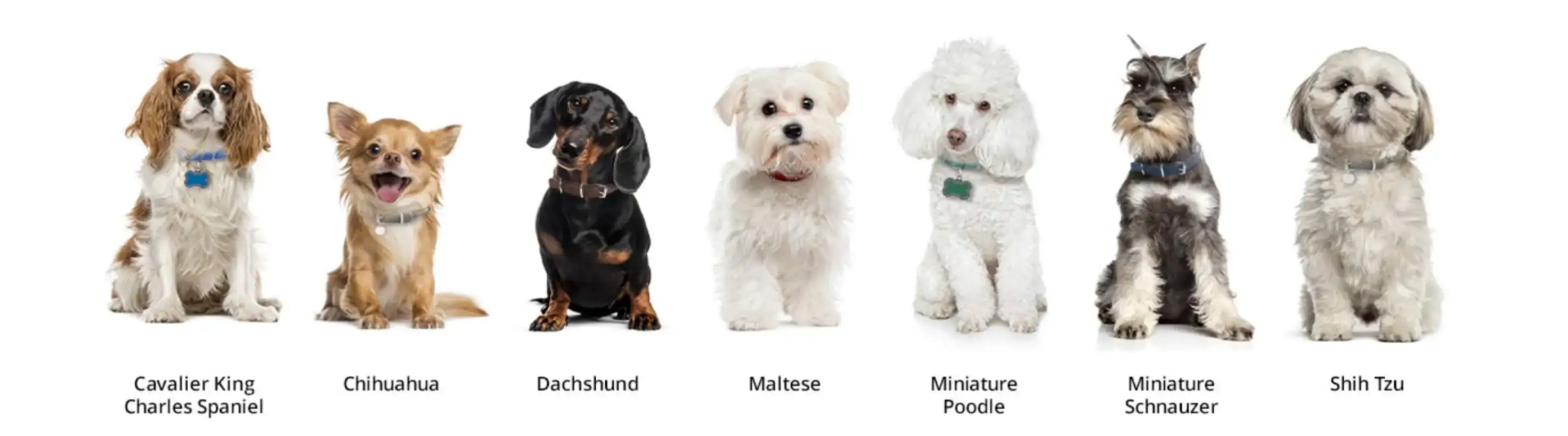
Dog Breeds Predisposed to MMVD
This is not a complete list of at-risk breeds.
Dog Breeds Predisposed to DCM
This is not a complete list of at-risk breeds.
Signs of Heart Failure
In the early stages of heart failure, you may not notice any signs, but as it progresses, they will become more obvious.
The most common signs of heart failure in dogs are:
- Coughing
- Difficulty breathing
- Rapid breathing
- Difficulty exercising
- Weakness or lethargy (tiredness)
- Fainting episodes or collapse
- Gray or blue gums
- Swollen belly
Sometimes these signs are subtle and can be mistaken for a dog that is just getting older and “slowing down.” If you notice any of these signs, it is best to get your dog checked by a vet to make sure.

Diagnosing Heart Failure
If your vet suspects heart failure, they’ll recommend some tests to confirm their diagnosis and identify which heart condition is causing the problem.
These tests could include:
- Blood and urine tests
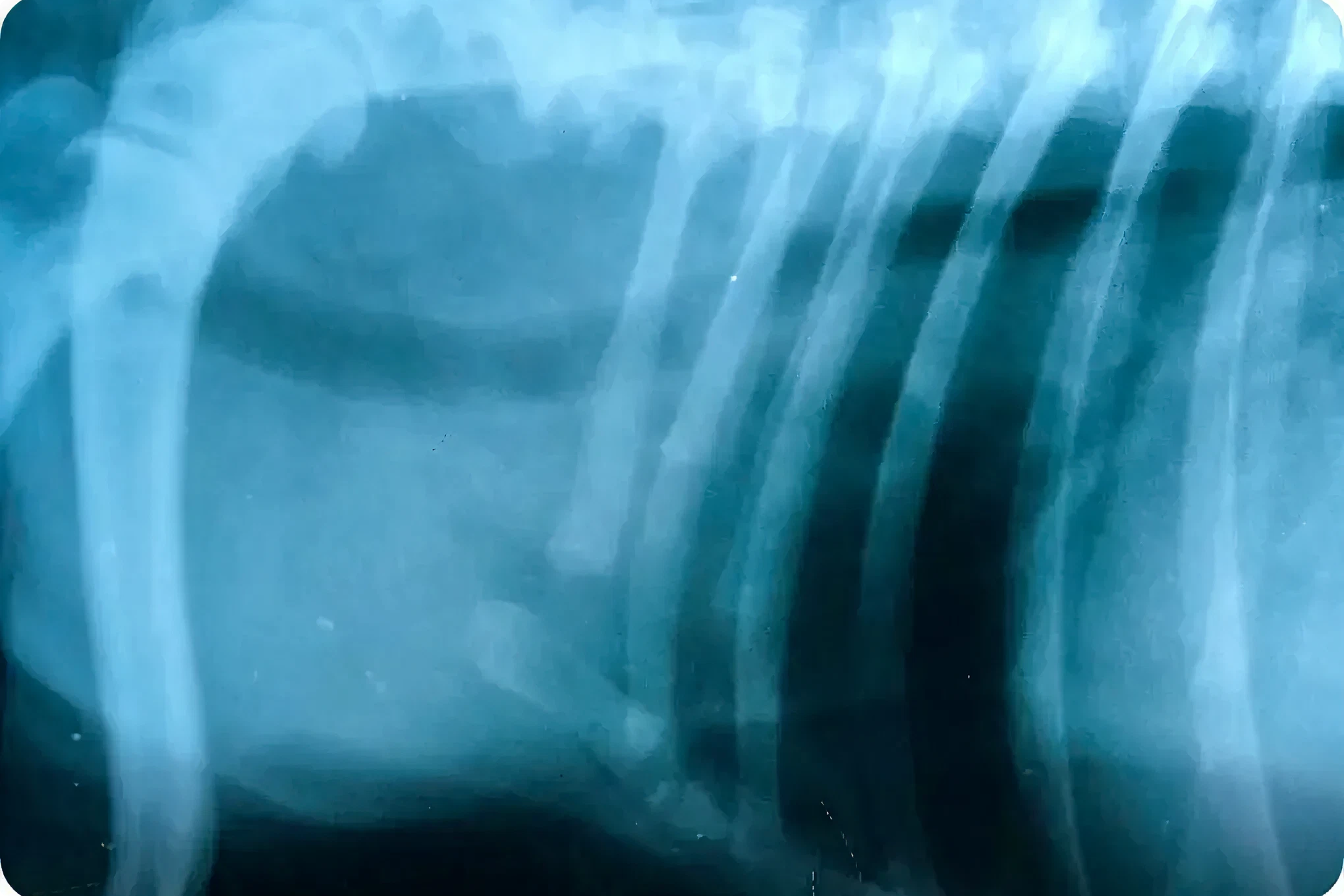
- Chest X-rays to see the heart size and shape, blood vessels, and lungs
- Ultrasound to look at the inside of the heart and how well it’s working
- An electrocardiogram (ECG)
Sometimes your vet will recommend a referral to a veterinary cardiologist.
These tests aren’t just used to diagnose heart failure; they also provide useful information to stage heart disease before heart failure develops. This helps vets decide when they should start treatment.
Many dogs with heart disease will benefit from receiving treatment before they develop heart failure.
Treatment
Although heart failure can’t be reversed, it can be slowed with medication, and the symptoms of heart failure can be managed to help dogs feel better. There are 2 aims of treating a dog with heart failure:
1. Remove excess fluid from the body
This is done with diuretics, such as furosemide or torsemide. Diuretics make dogs urinate more than usual, so make sure your pup has plenty of potty breaks.
2. Help the heart function the best it can
The most common medications used for this are inodilators, angiotensin-converting enzyme (ACE) inhibitors, and spironolactone. Most dogs with heart failure may be on 3–4 different medications to keep them feeling well.


Prevention and Early Intervention
Some breeds are more at risk of heart disease than others, but there are steps that you can take to help keep your dog’s heart healthy:
- Keep your pet at a healthy weight
- Feed a balanced, nutritious diet
- Give your dog frequent cardiac exercise
- Visit your vet regularly
- Give regular parasite preventives
- Look after your dog’s teeth (there’s a link between dental disease and cardiac disease)
Key Takeaways
-
Image

Certain dog breeds are more at risk
Some dog breeds are predisposed to heart disease.
-
Image

Early diagnosis and management are crucial
Early diagnosis and management are crucial for managing heart failure and, sometimes, also delaying it.
-
Image

Dogs can have a good quality of life
Treatment will involve lifelong medications, but affected dogs can have a good quality of life.
-
Image

Work with your vet for treatment
Regular visits to your vet are essential to diagnose heart disease early and to keep your dog happy and healthy for as long as possible.
Dr. Laura Pritzker
Dr. Laura Pritzker earned a doctor of veterinary medicine from the University of Minnesota College of Veterinary Medicine. Dr. Pritzker is a co-director (and foster) of a local dog rescue in Minnesota. She has been able to further her passion in shelter/rescue medicine by completing a master’s degree in shelter medicine through the University of Florida College of Veterinary Medicine in 2023.

Important Safety Information
VETMEDIN® (pimobendan) Chewable Tablets and VETMEDIN® Solution (pimobendan oral solution) are for use only in dogs with clinical evidence of heart failure. The most common side effects reported in field studies were poor appetite, lethargy, diarrhea, dyspnea, azotemia, weakness, and ataxia. VETMEDIN® should not be given in case of hypertrophic cardiomyopathy, aortic stenosis, or any other clinical condition where an augmentation of cardiac output is inappropriate for functional or anatomical reasons.
For more information, please see full prescribing information for Solution or full prescribing information for Chewable Tablets.
VETMEDIN®-CA1 (pimobendan) are for use only in dogs with preclinical MMVD that have a moderate or loud mitral murmur due to mitral regurgitation and cardiomegaly (Stage B2 MMVD, 2019 ACVIM Consensus Statement1). VETMEDIN®-CA1 is conditionally approved by FDA pending a full demonstration of effectiveness under application number 141-556. A diagnosis of MMVD should be made by means of a comprehensive physical and cardiac examination, which should include radiography and echocardiography. The most common side effects seen in dogs with Stage B2 MMVD while taking VETMEDIN®-CA1 Chewable Tablets are cough, vomiting, diarrhea, lethargy and localized pain (such as in the neck or legs). Adverse reactions not related to disease progression in dogs receiving VETMEDIN®-CA1 included diarrhea, vomiting, pain, lameness, arthritis, urinary tract infection, and seizure.
For more information, please refer to the package insert.